The Ultimate Guide to Wildlife Management in Orleans


Orleans, a picturesque region known for its rich biodiversity, presents unique challenges and opportunities in wildlife management. Understanding the balance between human activities and wildlife conservation is crucial for a sustainable environment. This guide provides insights into effective wildlife management practices in Orleans.

Understanding the Local Wildlife
The first step in wildlife management is understanding the local fauna. Orleans is home to a diverse range of species, from mammals such as deer and foxes to a variety of birds and amphibians. Recognizing these species and their habitats is essential for informed conservation efforts.
Regular wildlife surveys and monitoring help track population dynamics and identify species that may require special attention. Engaging local communities in these efforts can enhance data collection and promote awareness.
Key Species and Their Habitats
Protecting key species is a priority in Orleans. This includes preserving critical habitats such as wetlands, forests, and grasslands. These areas support not only the species themselves but also the ecological processes vital for their survival.
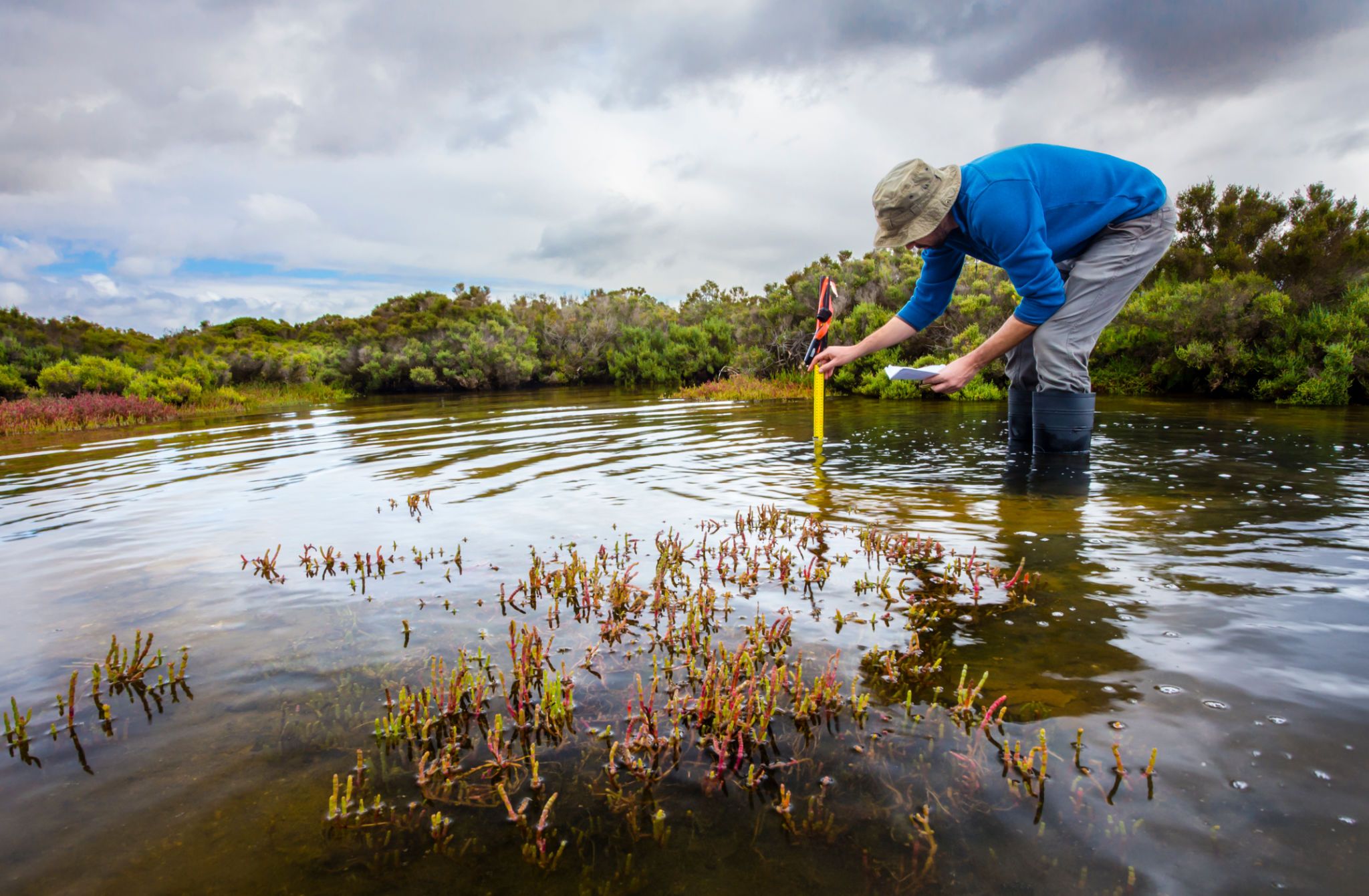
Implementing Conservation Practices
Effective wildlife management involves implementing conservation practices that minimize human impact. This can range from creating wildlife corridors to reduce road mortality to promoting sustainable land use practices.
Furthermore, restoring degraded habitats can significantly enhance biodiversity. Initiatives such as tree planting, invasive species control, and wetland restoration play a vital role in maintaining ecological balance.
Community Involvement and Education
Community involvement is a cornerstone of successful wildlife management. Educational programs can increase public awareness about the importance of biodiversity and how individuals can contribute to conservation efforts.

Dealing with Human-Wildlife Conflicts
With the increasing overlap between human and wildlife territories, conflicts can arise. Implementing conflict mitigation strategies is essential to ensure coexistence. This includes the use of non-lethal deterrents, fencing, and community-based reporting systems.
Creating dedicated wildlife zones can also help reduce conflicts by providing animals with safe spaces away from human activities.
Policies and Regulations
Effective wildlife management relies on robust policies and regulations. In Orleans, local authorities work closely with environmental organizations to enforce laws that protect wildlife and their habitats. Staying informed about these regulations helps ensure compliance and support conservation efforts.

In conclusion, wildlife management in Orleans is a multifaceted endeavor that requires collaboration between local communities, conservationists, and policymakers. By understanding local wildlife, implementing conservation practices, and addressing human-wildlife conflicts, Orleans can continue to thrive as a haven for biodiversity.