DIY Bug Service Tips: What You Can Do Before Calling the Experts


Understand the Pest Problem
Before calling in professionals, it's essential to understand the type of pest you're dealing with. Identifying the pest will help you choose the most effective DIY methods. Common household pests include ants, cockroaches, termites, and bedbugs. Knowing their habits and habitats can make a significant difference in how you tackle them.
For instance, ants are often drawn to food sources, while cockroaches prefer dark and damp areas. Researching these pests can help you implement the right strategies to manage them effectively.
Maintain a Clean Environment
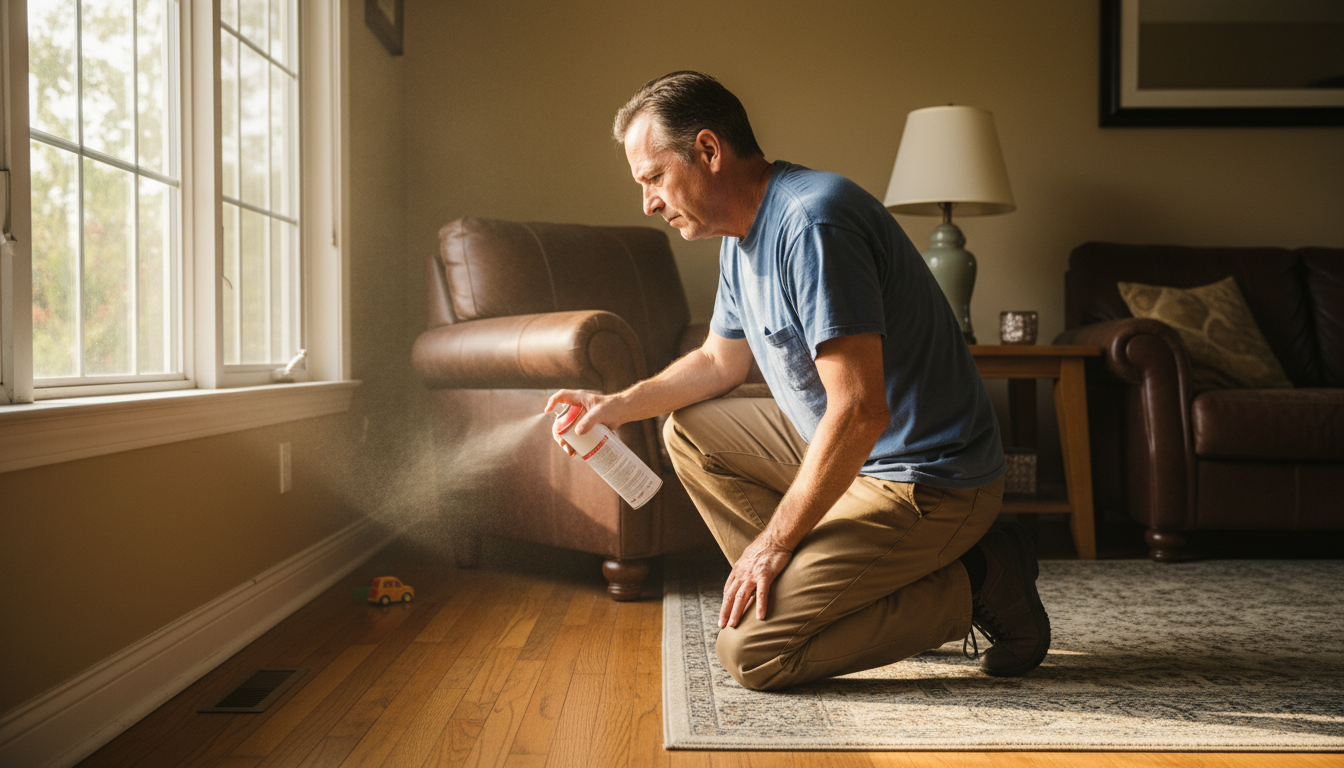
A clean home is less attractive to pests. Regular cleaning and maintenance can prevent infestations. Focus on areas where pests are likely to thrive, such as kitchens, bathrooms, and basements. Keep countertops clean, store food in airtight containers, and promptly fix any leaks or moisture issues.
Decluttering is also vital. Pests often hide in cluttered areas, so keep your home organized and regularly dispose of waste. This will reduce hiding spots and make your home less inviting to pests.

Seal Entry Points
Pests often enter homes through small cracks and openings. Conduct a thorough inspection of your home’s exterior and interior to identify potential entry points. Seal these openings with caulk or weatherstripping to prevent pests from getting inside.
Pay special attention to doors, windows, and areas where utilities enter your home. Regularly check and maintain these seals to ensure they remain effective over time.

Use Natural Deterrents
Natural deterrents can be an effective way to keep pests at bay without the use of harmful chemicals. Essential oils like peppermint, lavender, and eucalyptus are known to repel many types of insects. Simply mix a few drops with water and spray around entry points and infested areas.
Plants such as basil, mint, and marigolds can also act as natural repellents when placed around your home. These plants not only enhance your garden but also help in keeping pests away.
Set Traps and Baits
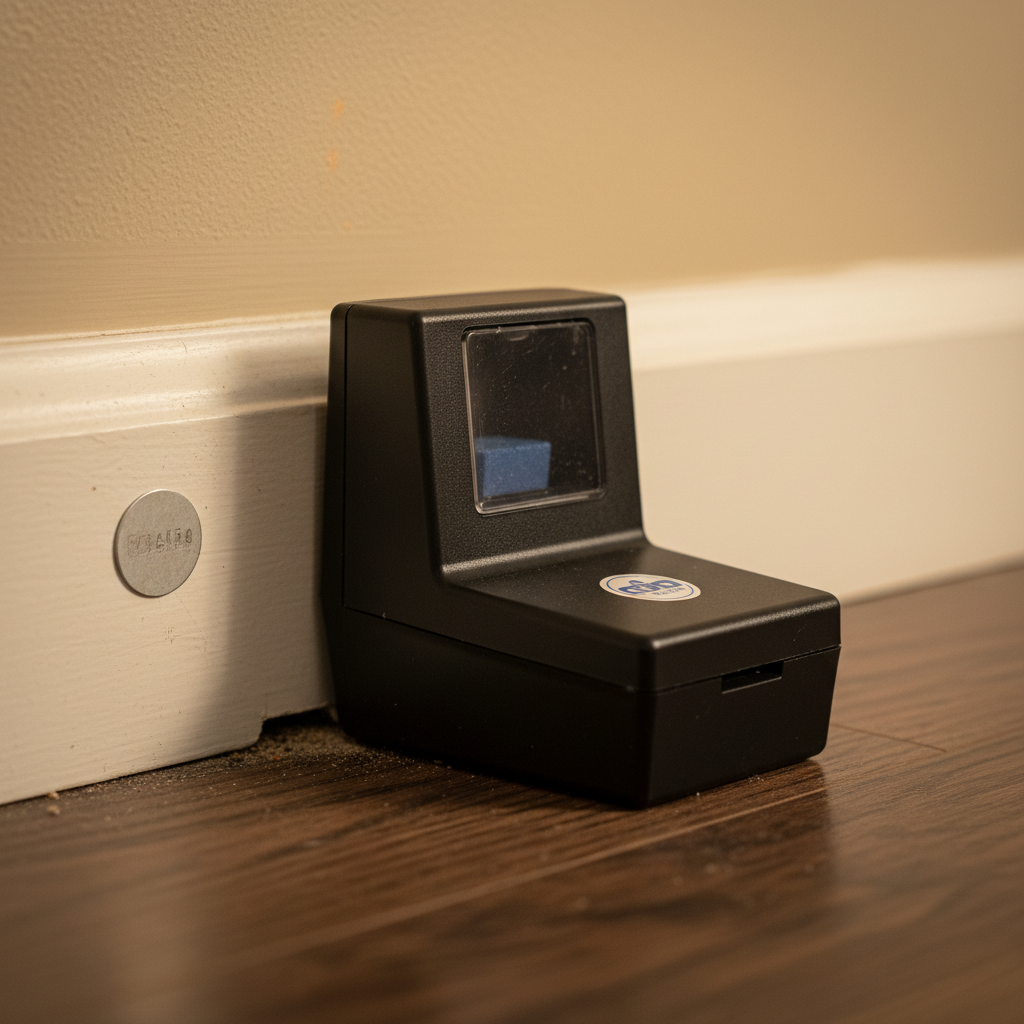
If you’re dealing with a specific pest problem, traps and baits can be a practical solution. For instance, sticky traps can catch crawling insects, while bait stations can be effective for ants and cockroaches. Place these strategically in areas with high pest activity for best results.
Make sure to follow the instructions on traps and baits carefully to ensure safety, especially if you have pets or small children in your home.
Monitor and Review
After taking these steps, monitor the situation closely. Keep an eye out for any signs of recurring infestations and adjust your strategies as needed. Regular monitoring can help you catch a minor issue before it becomes a major problem.
If after all your efforts the pest problem persists, it might be time to call in the experts. Professional pest control services have the tools and expertise to handle severe infestations safely and effectively.