5 Common Myths About Bed Bug Extermination Debunked


Myth 1: Bed Bugs Only Infest Dirty Homes
One common misconception about bed bugs is that they only infest unclean homes. In reality, bed bugs do not discriminate based on cleanliness. They are attracted to warmth, carbon dioxide, and blood, not dirt. Even the tidiest spaces can fall victim to an infestation if bed bugs find their way in.

Myth 2: You Can Eliminate Bed Bugs with DIY Methods
Many people believe that they can effectively handle bed bug infestations with do-it-yourself methods. While some home remedies might kill a few bed bugs, they rarely eliminate the entire problem. Professional extermination services have the training and equipment necessary to fully eradicate an infestation.
DIY methods often involve using products like essential oils or over-the-counter sprays. These might repel some bugs temporarily, but they don’t address the root of the problem. Bed bugs are incredibly resilient, and improper treatment can lead to prolonged infestations.
Myth 3: Bed Bugs Transmit Diseases
Another widespread myth is that bed bugs are carriers of diseases. While these pests are undoubtedly a nuisance and can cause itching and discomfort, there is no scientific evidence to suggest they transmit diseases to humans. Their bites can cause allergic reactions in some people, but they are not known to carry pathogens.
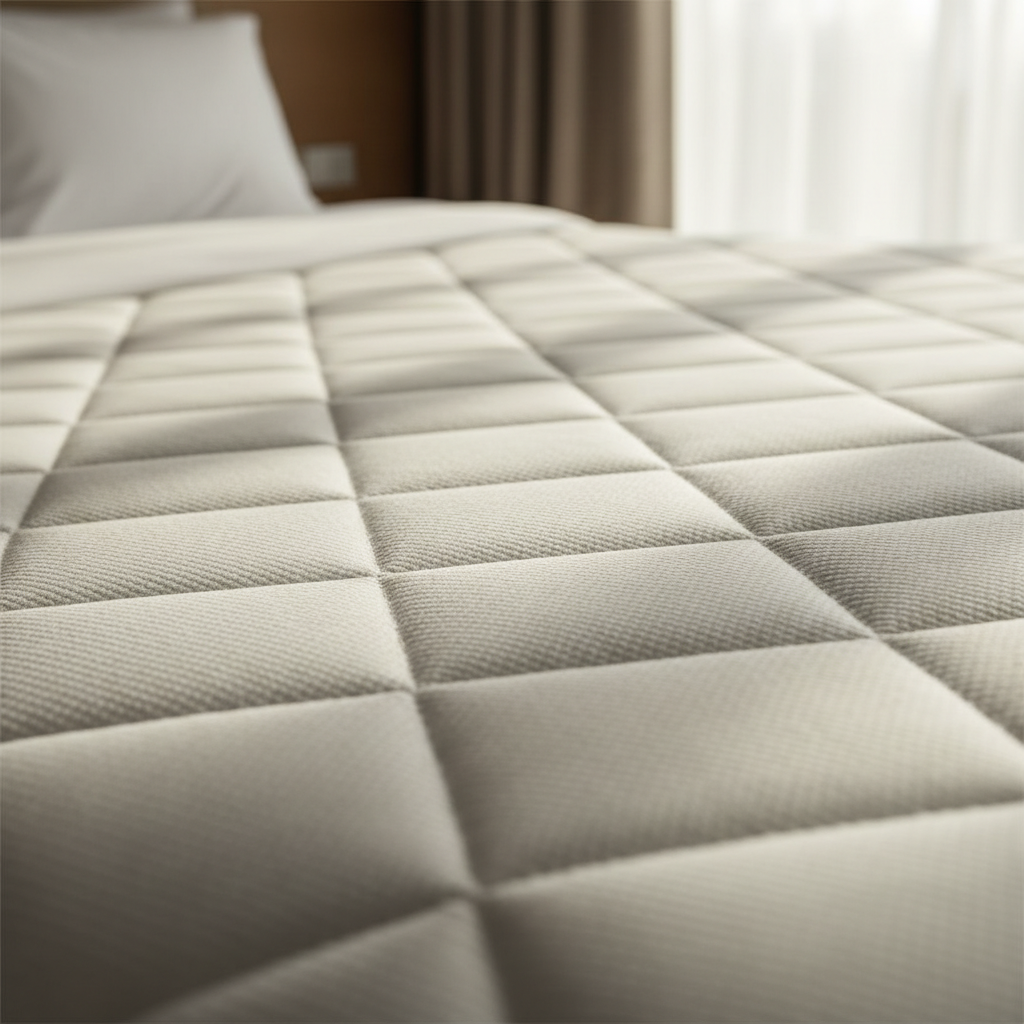
Myth 4: Bed Bugs Are Visible to the Naked Eye
Some people mistakenly believe that bed bugs are too small to be seen without a microscope. While bed bugs are small, adult bed bugs are actually visible to the naked eye. They are about the size of an apple seed and are usually brownish in color. Their eggs and nymphs, however, are significantly smaller and can be harder to spot.
Inspecting bedding, mattresses, and furniture for signs of bed bugs is crucial, especially if you suspect an infestation. Look for small, reddish-brown bugs, shed skins, or blood spots on sheets.
Myth 5: Bed Bugs Only Live in Beds
Despite their name, bed bugs are not confined to beds. They can inhabit any area that provides them with access to their food source. Common hiding spots include furniture, luggage, clothing, and even electrical outlets. This adaptability makes it challenging to control an infestation without professional help.

Understanding the realities about bed bugs is the first step toward effectively combating them. By debunking these myths, you can make more informed decisions and seek the right professional help when necessary. Remember, a proactive approach and professional assistance are key to ensuring your home remains bed bug-free.